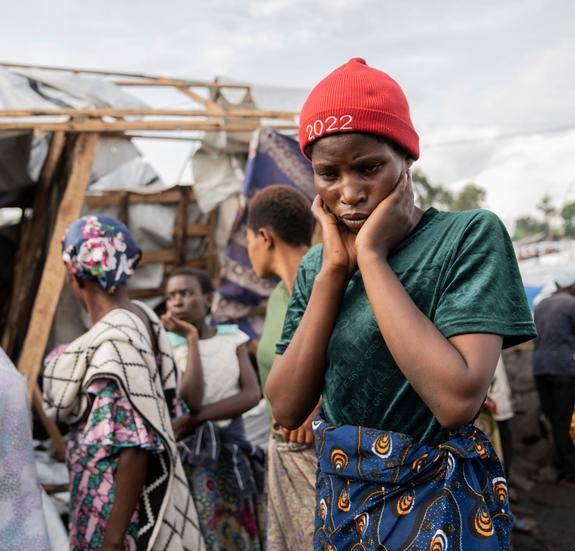
In Rwanda, teenage pregnancy remains a pervasive issue, affecting thousands of young girls every year. Despite significant strides in education, healthcare, and gender equality, teenage pregnancy continues to pose a threat to the country’s social fabric. While there are numerous contributing factors, from poverty to cultural pressures, the consequences for the girls and their communities are severe.
According to recent reports from the Rwanda Demographic and Health Survey (RDHS), nearly 7% of girls aged 15-19 in Rwanda have experienced a pregnancy. The figures vary across regions, with rural areas seeing higher rates than urban centers. The government has made efforts to address this issue, including promoting sexual education in schools, but many challenges persist.
In 2023, the Ministry of Health reported that over 20,000 cases of teenage pregnancy were recorded, a stark reminder that this is not just a public health issue but also a deeply rooted social problem. The rates in some districts, such as Nyamagabe and Musanze, are even higher, highlighting regional disparities.
The main causes
One of the most common causes of teenage pregnancy in Rwanda is a lack of comprehensive sexual education. Although the government has implemented programs to teach young people about sexual health, many communities still lack access to these resources, particularly in rural areas.
Cultural taboos around discussing sexuality also exacerbate the issue, leaving many teenagers with little knowledge about contraception or sexual rights.
“Many girls here are unaware of the risks associated with early sexual activity,” says *Marie Claire (name changed for anonymity), a teacher in a rural school in the Eastern Province. “There is a huge gap in knowledge. Some parents and community leaders don’t feel comfortable talking about these things, and so teenagers resort to old myths and peer pressure to guide them.”
Economic pressures also play a role. In rural communities, girls often find themselves under pressure to marry young, either to escape poverty or as a result of cultural expectations. A combination of financial instability, gender inequality, and a lack of educational opportunities often leaves young girls vulnerable to early pregnancies.
The consequences
The consequences of teenage pregnancy extend far beyond the individual. Teen mothers are at a higher risk of facing complications during childbirth, and many experience lasting physical and mental health issues.
In addition, girls who become pregnant during their teenage years are more likely to drop out of school, limiting their future economic prospects and reinforcing the cycle of poverty.
“We’ve seen that many of our teenage mothers end up in poverty. They can’t continue their education, and they struggle to provide for their children,” explains Dr. Alex Niyonsaba. “The government and healthcare systems do provide some support, but the lack of educational and economic opportunities is what keeps these young girls trapped in these situations.”
A study by the National Institute of Statistics of Rwanda (NISR) indicates that over 50% of teenage mothers in rural areas experience mental health issues, including depression and anxiety. The stigma surrounding teenage motherhood also prevents many girls from accessing the support they need.
Community solutions
There are already several community-led initiatives working to address teenage pregnancy in Rwanda. One of them is the Girl Empowerment Program, a local NGO that provides mentorship, life skills training and reproductive health education to vulnerable young girls in rural areas.
According to Diane Uwase, a program coordinator, their approach is multifaceted. “We not only talk about sexual health but also give girls the tools they need to advocate for themselves in their communities and families.”
The program has seen a marked reduction in teenage pregnancies in the areas where it operates, but the work is far from finished. “The challenge is changing cultural norms. Many people still believe that teenage pregnancy is just part of growing up, but we know that it has a profound impact on a girl’s future,” says Uwase.
Teenage pregnancy in Rwanda is not a problem that will be solved overnight. It requires a concerted effort from the government, local authorities, schools, communities, and young people themselves. While there has been progress in raising awareness and providing resources, more needs to be done to equip teenagers with the knowledge and support they need to make informed choices about their sexual health.
The data is clear: without immediate and targeted intervention, the cycle of teenage pregnancy will continue, trapping young girls in a cycle of poverty, poor health, and limited opportunities.
But with the right policies, education, and community engagement, Rwanda has the chance to break the cycle and create a brighter future for its young girls.
BY Diane NIKUZE NKUSI